
Overhead crane toolbox talk: nobody under the load
Nobody walks
under the load.
For the start of the shift: what to check before a lift, how to work with the signal person and why the area under the load stays empty.
Two to three minutes of reading and two of questions. The PDF includes the sign-in sheet.


Quick facts
Duration
5 minutes
Who leads it
The supervisor or the safety lead, with the operator and the signal person
When to use it
At the start of a shift with lifts, or when the type of load changes
What to bring
The area's slings, chains or wire rope and the agreed hand signals
Read it out loud
Read it standing, in front of the crew. It takes 2 to 3 minutes.
Good morning, everyone. Today we talk about overhead cranes and rigging, a team job between the person running the crane, the person rigging and the person giving signals.
Before you lift, check the hook and its latch, the wire rope, the chains and the slings. A broken wire, a stretched link or a cut sling means the lift does not happen.
Picture a common scene. The load comes up a little crooked, the operator tries to fix it while traveling and it starts to swing. If someone is underneath, the problem is no longer the load.
The simplest rule is also the most important: nobody stands under a suspended load, and nobody walks across the path it is going to travel.
The operator takes signals from one signal person, agreed on before starting. If they lose sight of each other, everything stops.
Never lift more than the rated load marked on the crane, and don't improvise the rigging. If you are not sure about the weight, ask before lifting.
Before moving, tell the people in the area and look at the whole route, from pickup to set-down. If someone shows up in the path, the load waits, stopped and low.
To wrap up: only designated people run the crane. Today, each of you checks your own rigging before the first move.
Three questions for the crew
Let the crew answer before you read the expected answer.
What do you check before a lift?
Expected answer: Hook and latch, wire rope, chains and slings. Hooks get a daily visual check for deformation or cracks (1910.179(j)(2)(iii)), and slings and their attachments are inspected each day before use by a competent person the employer designates (1910.184(d)).
Where does everyone who is not running the crane stand?
Expected answer: Away from the area under the load and out of its path. OSHA requires the employer to have the operator avoid carrying loads over people (1910.179(n)(3)(vi)).
Who can run the overhead crane?
Expected answer: Only designated personnel (1910.179(b)(8)). And while a load is suspended, the operator does not leave the controls (1910.179(n)(3)(x)).
What OSHA says
- Under 29 CFR 1910.179, only designated personnel may operate a crane (1910.179(b)(8)), no load exceeds the rated load (1910.179(n)(1)), the load is secured and balanced before it is lifted more than a few inches (1910.179(n)(3)(i)) and the operator avoids carrying loads over people (1910.179(n)(3)(vi)).
- Hooks are visually inspected daily for deformation or cracks (1910.179(j)(2)(iii)), and each sling and its attachments are inspected every day before use by a competent person designated by the employer (1910.184(d)).
- What it does not say. 1910.179 does not set a course or a number of training hours for crane operators: it requires them to be designated, and your company decides how it qualifies them. This talk does not designate anyone.
Source: OSHA, 29 CFR 1910.179 (Overhead and gantry cranes) and 1910.184 (Slings), current text. Reviewed on October 29, 2026. See the standard
This is how this hazard is practiced
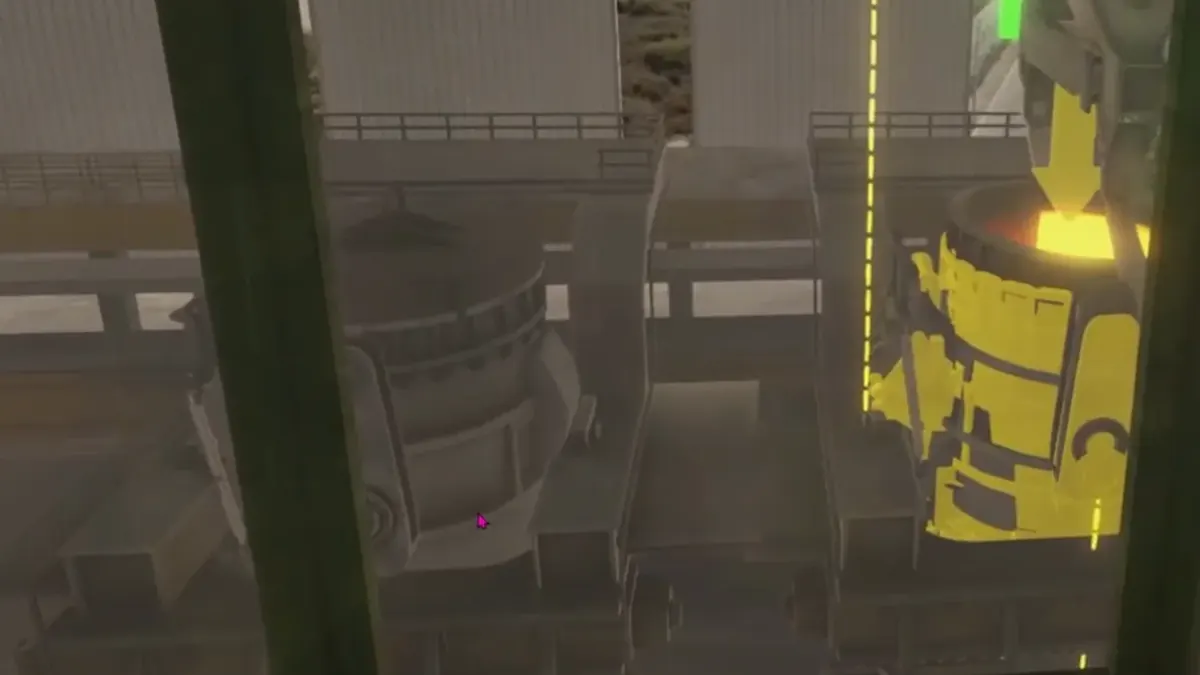
The overhead crane simulator rehearses what nobody practices on purpose with the crane in your bay: a swinging load, a hit against another crane and a lift over people on the floor. It is practice before the first lift; designation and training stay in your program.
The talk, ready to print
Two letter-size pages, open and with no sign-up: the script on the first; the questions and the sign-in sheet on the second.
All six in one PDF?
The kit puts the six talks together with their sign-in sheets and a 52-week calendar, ready to print. The editable calendar comes in Excel.
It is a working guide: not an official form or legal advice, and each company is responsible for how it uses it. The sign-in sheet records that the talk took place; it is not a training certification.
More toolbox talks
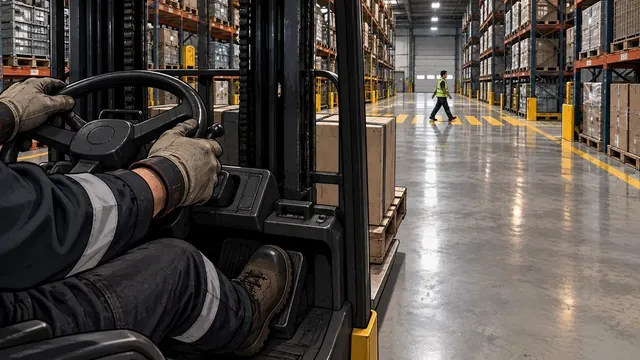
Forklift and pedestrian safety
Blind spots, the horn, marked walkways and what to do before you cross.
Read the talk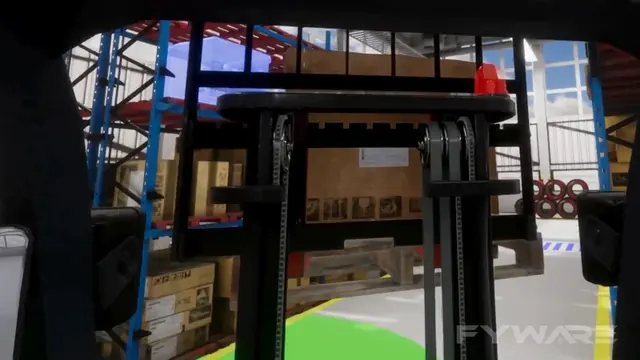
Forklift safety
The pre-use check, low forks and who is certified to drive.
Read the talk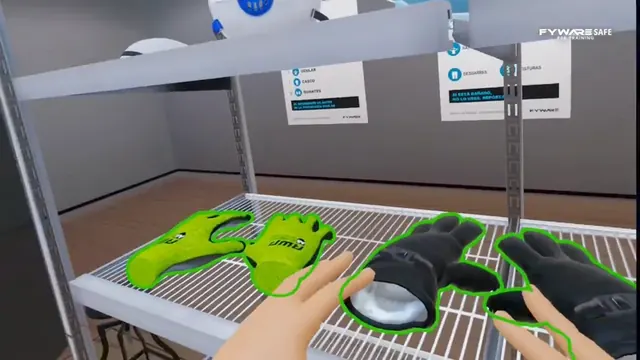
PPE
What to check before you start, what to do when it is damaged and jewelry.
Read the talk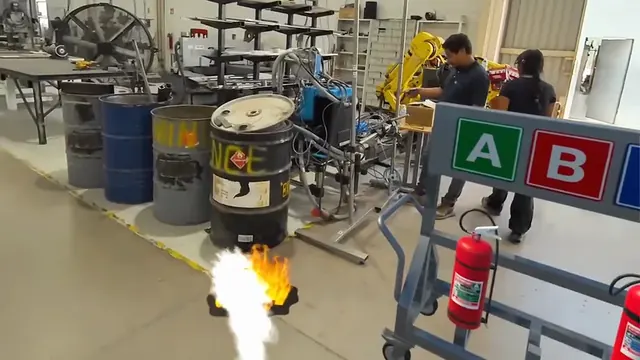
Fire extinguishers
When to use one, how to aim it and when to leave and sound the alarm.
Read the talk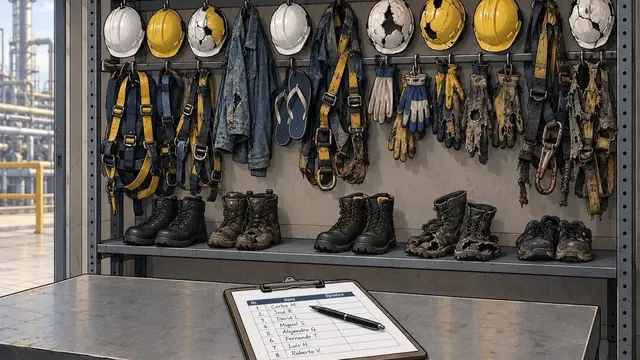
Fall protection
The 4-foot rule, the harness and anchor check and who is trained.
Read the talkLet's talk about your plant
Tell us what you want to solve in your plant. Fyware designs extended reality around the equipment and constraints of your operation, and builds it to grow from a pilot to the whole site.
 Tom Klukowski, Fyware Partner · Valcre Marketing We reply in under 24 business hours, with scope, timeline and investment range.
In the meeting you see the simulator running and what it would take to bring it to your plant, with scenarios adapted to your layout. And if you need to sell it internally, this page is your presentation: share it with your team.