
Fire extinguisher toolbox talk: use it in time or leave in time
The extinguisher handles
the start of a fire.
For the start of the shift: where the area's extinguishers are, how to use them, when to give up and why nothing goes in front of them.
Two to three minutes of reading and two of questions. The PDF includes the sign-in sheet.


Quick facts
Duration
5 minutes
Who leads it
The supervisor, the safety lead or someone from the fire brigade
When to use it
At the start of the shift, after a layout change or before an evacuation drill
What to bring
One of the area's extinguishers, not discharged, and the map of exit routes
Read it out loud
Read it standing, in front of the crew. It takes 2 to 3 minutes.
Good morning, everyone. Today we talk about the fire extinguishers in our area: where they are, how to use them and, above all, when not to.
An extinguisher is for a fire that is just starting, a small one. If the fire is bigger than you, if smoke is filling the space or if you don't have a clear way out behind you, the right call is to leave and sound the alarm.
Picture a common scene. Someone parks a pallet in front of the extinguisher, just for five minutes. In those five minutes a fire starts in the electrical panel next to it, and the person who runs to put it out loses seconds moving the pallet.
Let's agree on how to use one, with the word PASS: pull the pin, aim at the base of the fire, squeeze the handle and sweep from side to side, keeping your distance and with the exit behind you.
Each extinguisher works on the fire classes shown on its label. Water on a live electrical panel is a shock hazard. If you are not sure, leave and report it.
And remember: nothing goes in front of an extinguisher, nobody uses one to prop a door open and, if one was used, even a little, report it so it gets recharged.
To wrap up: today, each of you finds the extinguisher closest to your workstation and the exit closest to it.
Three questions for the crew
Let the crew answer before you read the expected answer.
When do we try to put out a fire and when do we leave?
Expected answer: We try only if the fire is small, the extinguisher is the right class and the way out is clear behind us. Otherwise we leave and sound the alarm, following the plant's emergency action plan (1910.38).
Where do you aim the extinguisher?
Expected answer: At the base of the fire, sweeping side to side and keeping your distance. Aiming at the flames wastes the agent.
What do you do if an extinguisher is blocked or has been used?
Expected answer: Clear it right away if it is safe to do so and tell your supervisor; if it was used, report it for recharge. Extinguishers must be readily accessible (1910.157(c)(1)) and are visually inspected monthly (1910.157(e)(2)).
What OSHA says
- Where portable extinguishers are provided for employee use, 29 CFR 1910.157 requires an educational program on the general principles of extinguisher use and the hazards of fighting a fire in its early stage (1910.157(g)(1)), upon initial employment and at least annually thereafter (1910.157(g)(2)).
- Extinguishers are mounted, located and identified so that they are readily accessible (1910.157(c)(1)) and visually inspected monthly (1910.157(e)(2)).
- What it does not say. 1910.157 does not spell out the PASS technique: it is common practice taught by manufacturers and fire departments. This talk is not the annual education in 1910.157(g).
Source: OSHA, 29 CFR 1910.157 (Portable fire extinguishers), current text. Reviewed on October 29, 2026. See the standard
This is how this hazard is practiced
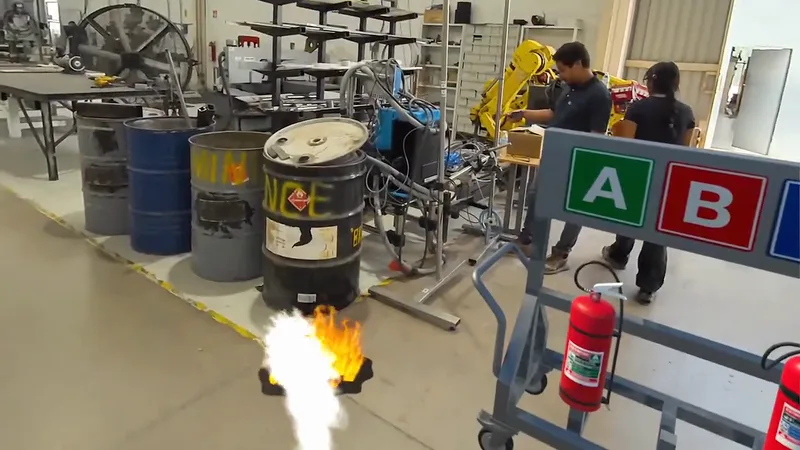
In the fire extinguisher simulator your brigade trains on virtual fire laid over the floor of your own plant: they recognize the fire class, run for the right extinguisher and aim at the base of the flames, with one minute ten on the clock. It is a warm-up before hands-on practice with an extinguisher, which stays in your program.
The talk, ready to print
Two letter-size pages, open and with no sign-up: the script on the first; the questions and the sign-in sheet on the second.
All six in one PDF?
The kit puts the six talks together with their sign-in sheets and a 52-week calendar, ready to print. The editable calendar comes in Excel.
It is a working guide: not an official form or legal advice, and each company is responsible for how it uses it. The sign-in sheet records that the talk took place; it is not a training certification.
More toolbox talks
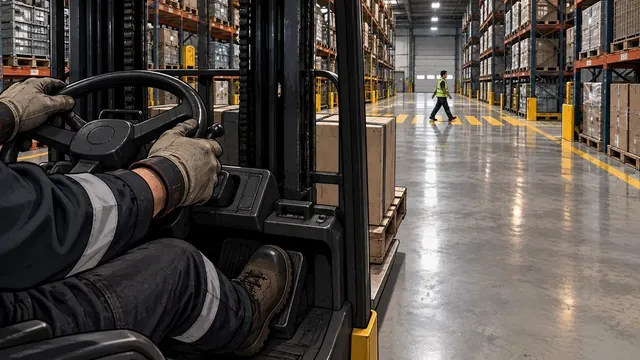
Forklift and pedestrian safety
Blind spots, the horn, marked walkways and what to do before you cross.
Read the talk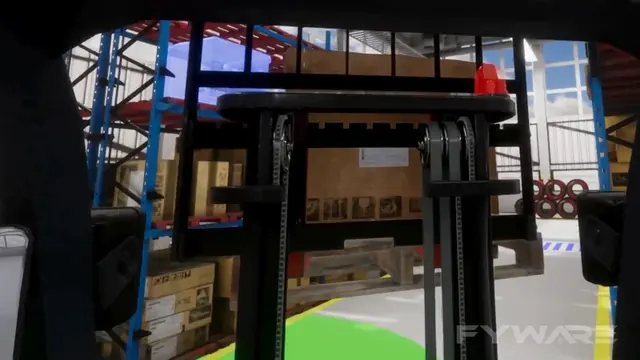
Forklift safety
The pre-use check, low forks and who is certified to drive.
Read the talk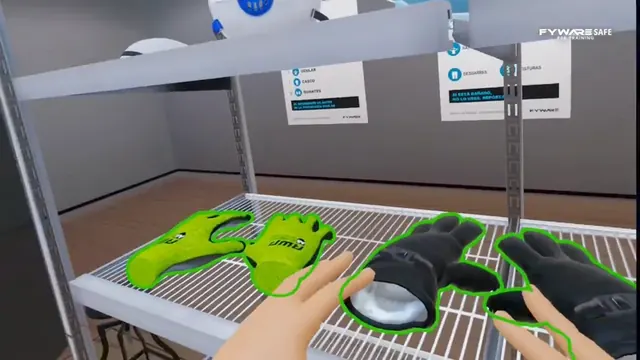
PPE
What to check before you start, what to do when it is damaged and jewelry.
Read the talk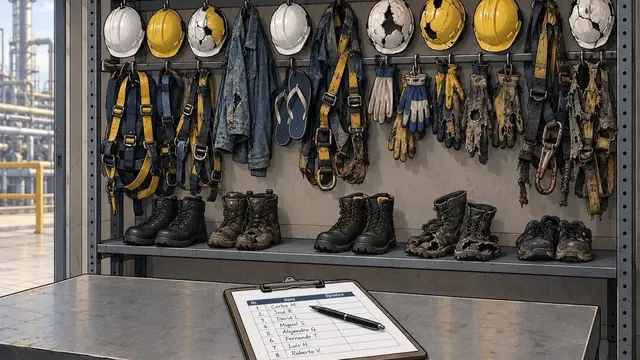
Fall protection
The 4-foot rule, the harness and anchor check and who is trained.
Read the talk
Overhead cranes and rigging
What to check before a lift, one signal person and nobody under the load.
Read the talkLet's talk about your plant
Tell us what you want to solve in your plant. Fyware designs extended reality around the equipment and constraints of your operation, and builds it to grow from a pilot to the whole site.
 Tom Klukowski, Fyware Partner · Valcre Marketing We reply in under 24 business hours, with scope, timeline and investment range.
In the meeting you see the simulator running and what it would take to bring it to your plant, with scenarios adapted to your layout. And if you need to sell it internally, this page is your presentation: share it with your team.