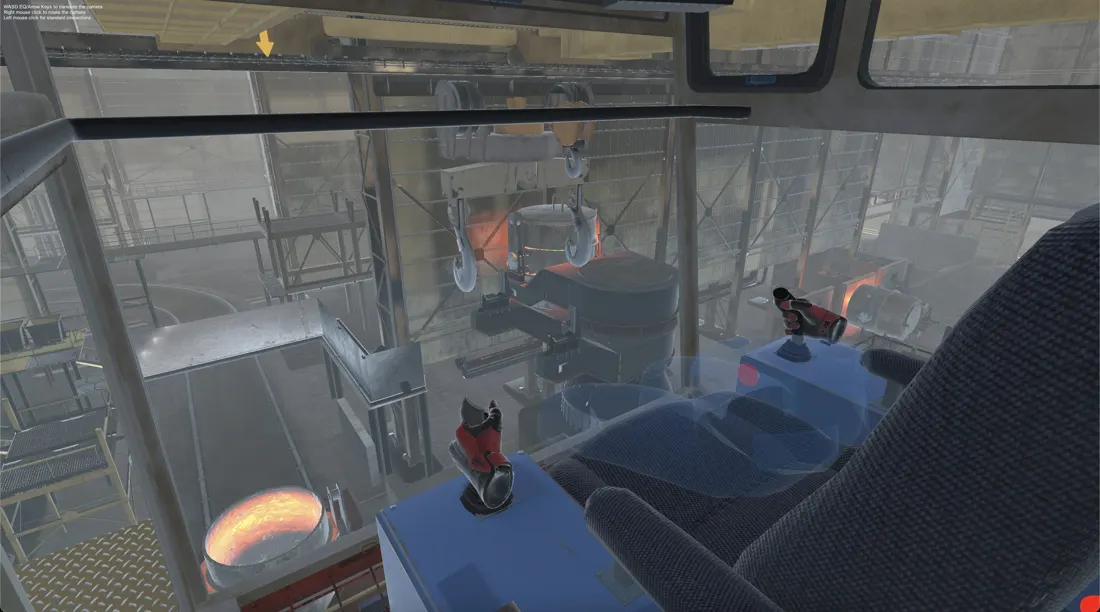
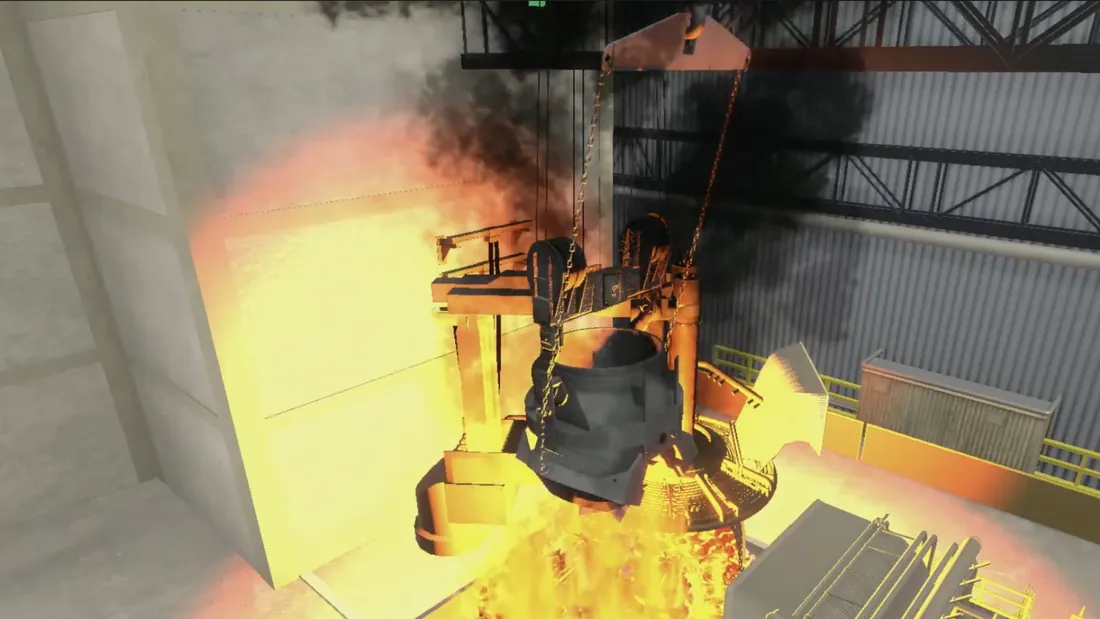
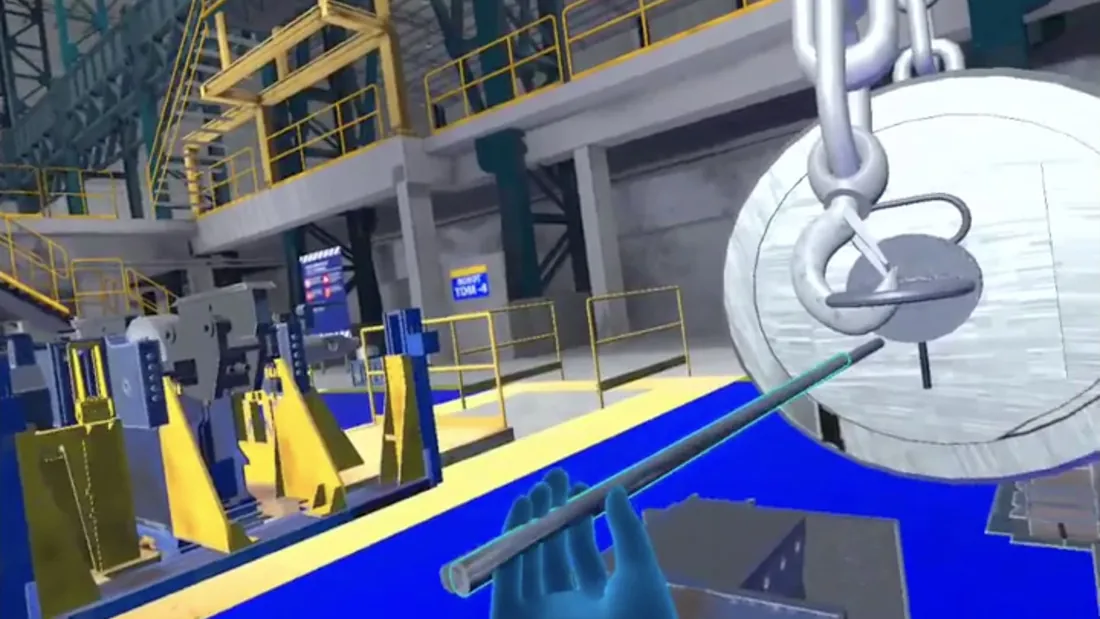
Each simulator follows your plant's procedure. These are six modules from the Gerdau Corsa program, a steel mill where every crane carries a different risk.
1
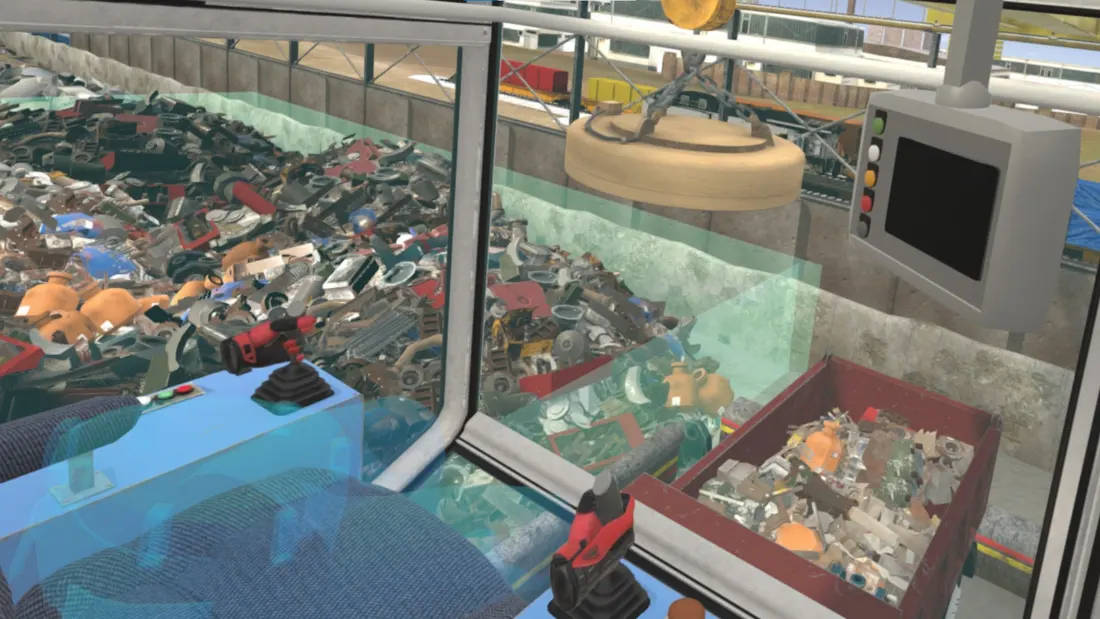
Overhead crane with magnet
Scrap handling from the cab, with the crane's own controls.
2
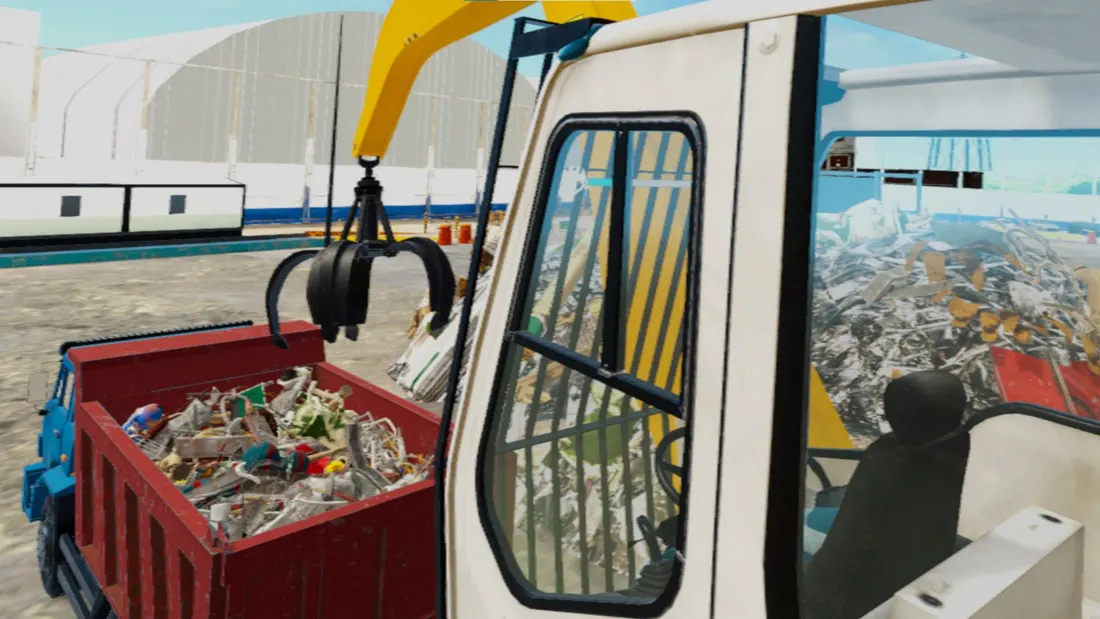
Scrap crane with grapple
Loading containers in the yard, with loose material that shifts on its own.
3
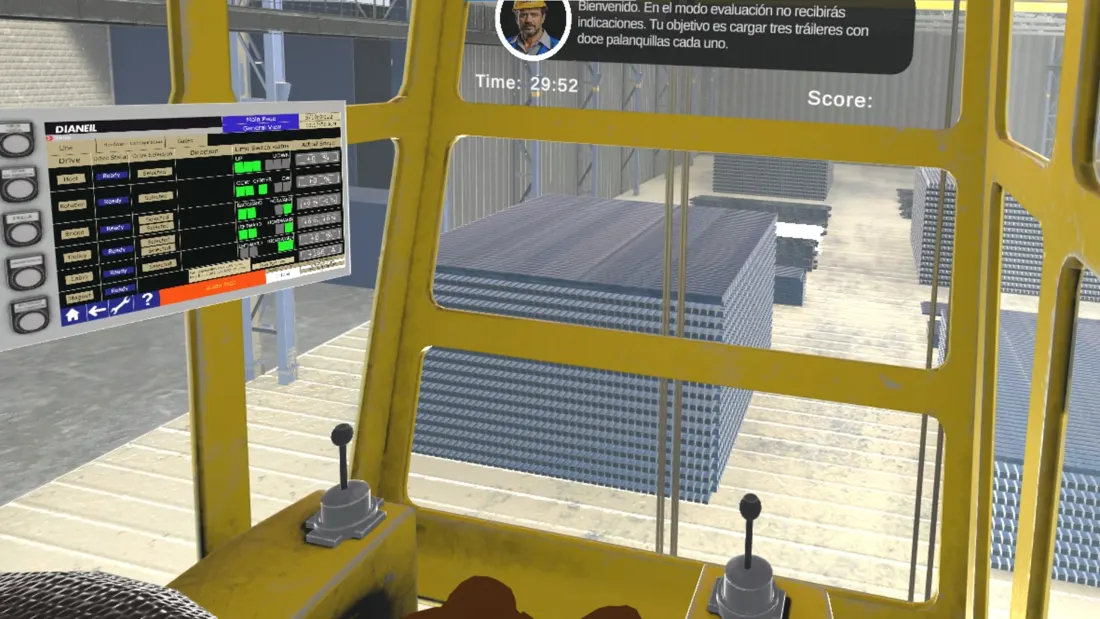
Logistics crane
Stacking billets against the clock, with a scoreboard.
4
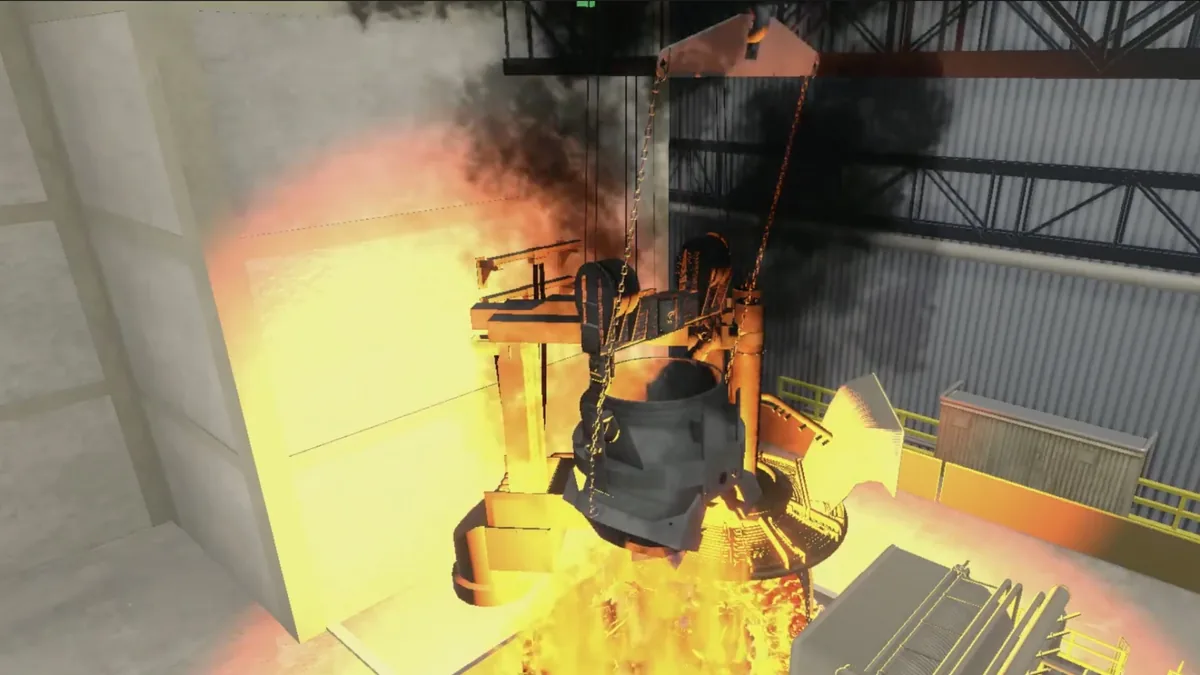
Molten metal ladle
Moving the hot load over people and equipment.
5
Casting
The pour, where a mistake gets no second try.
6
Floor-level overhead crane
Hooking and guiding the load from the floor, right where it is rigged.
Inside the cab
Forty seconds of crane work
Video from the Gerdau Corsa program, no sound.
The difference
How crane operators are trained today and what the simulator changes.
Overhead crane operator training
Classroom course
Shadowing on the real crane
Overhead crane simulator
What the person does
Listens and answers
Operates with an instructor beside them
Operates alone, with their crane's controls
Can they make mistakes
No
Not without risk
Yes, and that is the exercise
What a mistake costs
Nothing
Product, equipment or a person
The exercise restarts
Production
Untouched
Crane out of service or at half speed
Keeps running
How many repetitions
One
As many as production allows
As many as it takes
What is left on record
Attendance sheet
The instructor's signature
A record per operator and per module
The standard, and what stays with your company
Under OSHA 29 CFR 1910.179(b)(8), only designated personnel may operate overhead and gantry cranes: people the employer selects as qualified (a)(35). OSHA has read "qualified" in light of the ASME B30.2 standard.
The VR simulator adds practice hours to your training program. Designating and evaluating operators stays with the employer.
For the start of the shift in the bay, the overhead crane toolbox talk has the script to read, three questions for the crew and the PDF with a sign-in sheet.
How it is done
How your simulator is built
Your plant sets the standard; we turn it into practice.
1
Your procedure
The sequence of every lift, what counts as an error and how it is scored are set by your plant, from its operating standard.
2
Your crane and your bay
Modeled from photos, drawings or CAD, with the real view from the cab and the people on the floor in sight.
3
Your controls
The crane's physical levers are connected, so the hand learns what it will use up there.
~3
Months of development
A training simulator takes about three months and a complex one three to six. Each new crane is added on the same platform.
A custom simulator starts at about 15,000 USD for delivery outside Mexico and 10,000 USD within Mexico (2026 pricing guide). A multi-crane program grows module by module, as Gerdau Corsa's did, and if you need your own number before a project there is the Diagnostic Pilot.
Case study
Gerdau Corsa trains its own crane operators
In seven years the program grew from one family of crane simulators to eleven modules: six cranes, the floor-level overhead crane, the electric arc furnace, lockout/tagout, a 360 induction and the platform that hosts them.
Does the simulator replace operator training or certification?
No. It is the practice the course cannot give. Operator qualification and the employer's designation stay with your company and your training provider. What the simulator adds is each person's practice, recorded per module, before they get on the crane.
Does it use the crane's real controls?
Yes. In the Gerdau Corsa program every crane has its physical controls connected to the simulation: operators use the same levers they use in the cab.
How much does an overhead crane simulator cost?
A custom simulator starts at about 15,000 USD for delivery outside Mexico and 10,000 USD within Mexico. Your range depends on how many cranes and lifts go in, and we give it to you on the first call.
More questions
How long does it take?
About three months for a training simulator and three to six for a complex one. Each additional crane is added on the same platform, without starting a project from scratch.
Does it work for cranes outside steel mills?
Yes. The simulator is built on your equipment: overhead crane, bridge crane, gantry or magnet crane. A steel mill is the extreme case because every process carries a different risk; a plant with one crane starts with one module.
Can the people on the floor train too?
Yes. Hooking and guiding the load are practiced from the floor, like the floor-level overhead crane module in the Gerdau Corsa program.
Let's talk about your plant
Tell us what you want to solve in your plant. Fyware designs extended reality around the equipment and constraints of your operation, and builds it to grow from a pilot to the whole site.
Tom Klukowski, Fyware Partner · Valcre Marketing We reply in under 24 business hours, with scope, timeline and investment range.
In the meeting you see the simulator running and what it would take to bring it to your plant, with scenarios adapted to your layout. And if you need to sell it internally, this page is your presentation: share it with your team.