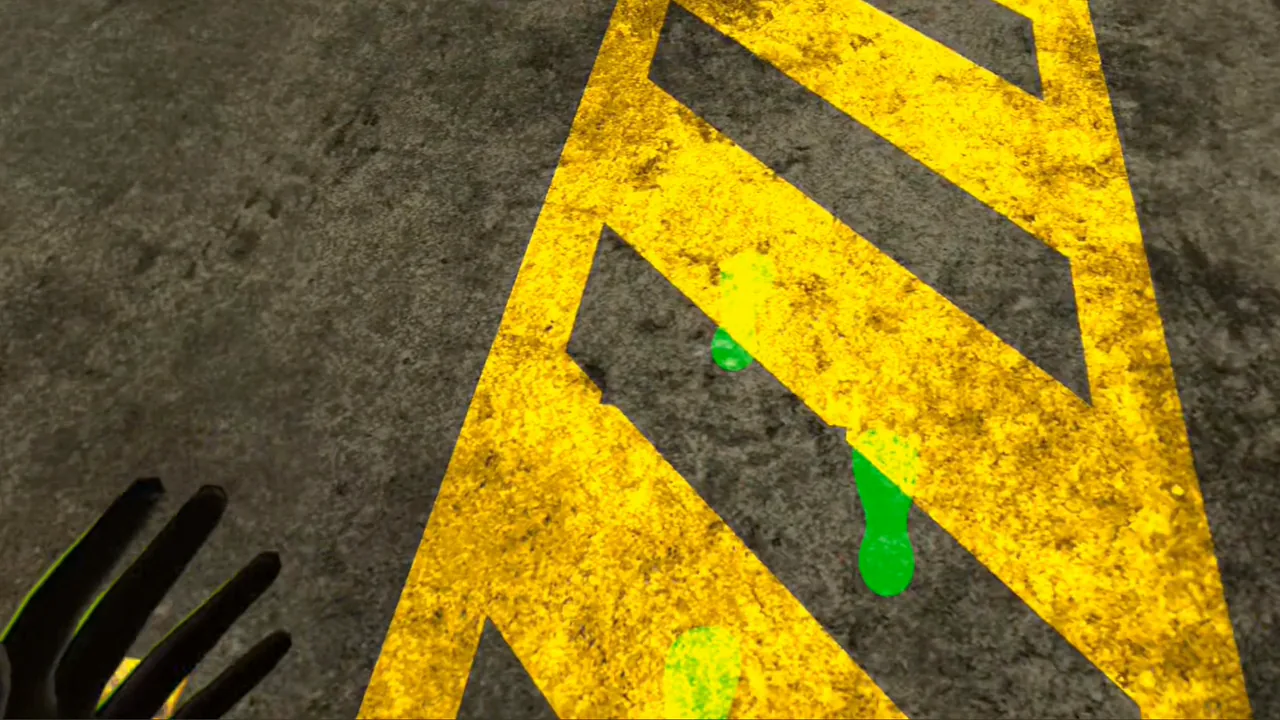
The first crossing ends with them hit. Then they learn to cross.
The people who walk the plant practice the 3·2·1·0 commitment standing up and with no controllers: three looks the headset verifies, two feet of clearance, a hello from the operator before stepping into the aisle and zero shortcuts.
It is one of the four Fyware Safe simulators, it is aligned with OSHA 29 CFR 1910.178(n) and it ships all six languages in the same build.
Forklift training usually goes to the operator, and the person who crosses the aisle on foot, which in a plant is most of the shift, gets the induction talk. This module trains that pedestrian, standing and with no controllers, on the 3·2·1·0 commitment: three looks, two feet of clearance, one hello from the operator and zero incidents.
Aligned with OSHA 29 CFR 1910.178(n)
3Looks, ahead and to both sides. The headset checks that they really turned their head
2Feet, or 60 cm, of clearance from moving equipment for the whole crossing
1Hello from the operator before crossing: no hello, no crossing
0Shortcuts: skipping a step or stepping past the line ends with the pedestrian hit
Demonstration of the English version. The module ships in six languages.
The walkthrough
The mistake first, then the technique
A virtual assistant guides every step with voice and a panel. A full run takes about 4 minutes per person, a little longer if they get it wrong.
1
They cross the way anyone would
The first attempt has no technique: they follow the footprints on the marked crossing with their eyes on the floor, the way it happens on shift.
2
The forklift comes from where they are not looking
It enters from the side, outside their field of view and with no warning. The hit happens inside the headset and the view turns red.
3
They see it from outside
The view leaves the body and shows the operator who could not brake in time. The assistant tells them what was missing: stopping, looking and confirming with the operator.
4
Three looks the headset verifies
They stop at the waiting line and look ahead and to both sides. The circle only fills if they hold the look: a glance does not count.
5
Hand up, then wait for the hello
They ask for the right of way with their hand, no controllers. The operator stops the truck and returns the greeting, and that is the go-ahead to cross.
6
They cross without stopping or cutting corners
On the marked crossing, two feet or more from the equipment. Step past the 60 cm line or skip a step and they get hit again.
Nobody crosses without the full protocol, not even on the tenth attempt. With each mistake the help changes: the first time, the panel names the cause and marks which part of 3·2·1·0 was missing; if they repeat the same mistake, the guide for that step shows up earlier and more visibly, and on the third try they practice only that step until they get it, then repeat the full crossing.
Induction talk, signage or simulator
Forklift training usually goes to the operator. The person crossing the aisle on foot gets the induction talk and the painted lines.
How people who cross the aisle are trained today
Induction talk
Signage and floor lines
Pedestrian crossing simulator
What the person does
Hears the rule
Sees the line in passing
Crosses, gets it wrong and crosses again
If they cross without looking
No consequence
No consequence
The forklift hits them inside the headset
Is the looking verified
No
No
Yes: the circle only fills if they hold the look
The hello with the operator
Mentioned
Does not exist
No hello from the operator, no crossing
How long
As long as the talk
None
About 4 minutes per person
The standard behind this risk
In the US the simulator is aligned with OSHA 29 CFR 1910.178(n), the operating rules for forklifts around people, from the side of the person who walks next to the truck.
The pedestrian and moving equipment standard, by market
Market
Standard
United States
Pedestrians · OSHA 29 CFR 1910.178(n)
Mexico
Peatones · NOM-006-STPS-2023
Brazil
Pedestres · NR-11
European Union
Pedestrians · Directive 89/654/EEC
Germany
Verkehrswege · ASR A1.8
Japan
接触の防止 · 労働安全衛生規則 第151条の7
This simulator trains the person who crosses; the forklift simulator trains the operator who has to brake. Together they cover both sides of the same crossing. Neither replaces the signage or the aisle separation your plant needs to have.
The simulator runs inside the headset and needs no network: there is nothing to install, and IT does not have to get involved.
4 min
How long
Per person for the full run; a little longer if they get it wrong, because nobody crosses without the complete protocol.
1.5×
How much space
Walked standing, with no controllers, and each real step counts as one and a half inside the headset, so the crossing fits in less space.
6
Which languages
Spanish, English, Portuguese, French, German and Japanese in the same build: each person picks theirs in the headset menu.
How to get it
Three ways to have it at your plant
The same simulator, depending on what you need: own it, pilot it or bring it to an event.
Buy
For your training program
The module is installed on your Meta Quest 3 headsets, or on the ones we include, and it stays at your plant. Priced to the scope of your operation: ask for the range.
Rent
For a pilot or a short event (Mexico)
Headsets with the simulator loaded for the days you need them. Headset rental in Mexico runs from $2,500 to $3,500 MXN plus VAT per headset per day: VR equipment rental.
Event
As a station at your Safety Week
It is one of the five experiences in the activation, with Fyware technicians on site. From $3,800 USD before tax: Safety Week activities.
Quoted separately, on the same engine: the crossing protocol and the assistant adapted to your plant, your plant recreated and a results export.
Pedestrian forklift safety simulator FAQ
How do I keep a forklift from hitting someone who crosses the aisle?
By training both sides of the crossing. The operator practices on the forklift simulator, where a pedestrian appears without warning and they have to brake in time. The person on foot practices on the pedestrian crossing simulator: the first crossing ends in a simulated struck-by, then they learn to stop at the waiting line, look ahead and to both sides, keep two feet (60 cm) of clearance and not cross until the operator returns the hello. Skip a step and they get hit again. Neither one replaces your plant's aisle marking, signage or traffic rules; both are for practicing the crossing before the forklift is on top of you.
What is the 3·2·1·0 commitment?
It is the rule the pedestrian practices in the simulator: three looks, ahead and to both sides, that the headset verifies; two feet, or 60 cm, of clearance from moving equipment for the whole crossing; one hello from the operator before crossing; and zero shortcuts. Skipping a step or stepping past the line ends with the pedestrian hit inside the headset.
Why does the first crossing end with the person hit?
Because that is how people cross on shift: following the footprints with their eyes on the floor. The forklift comes in from the side, outside their field of view, and then the view leaves the body so the person sees the operator who could not brake in time. From there the assistant teaches them to stop, look and confirm the crossing.
More questions
What happens if the person gets it wrong several times?
Nobody crosses without the complete protocol, not even on the tenth attempt. With each mistake the help changes: the first time the panel names the cause; if they repeat the mistake, the guidance for that step shows up earlier and more visibly, and on the third they practice only that step until they get it right.
Which languages does it come in?
Six: Spanish, English, Portuguese, French, German and Japanese, in the same build. Each person picks theirs in the headset menu, so a crew that speaks several languages rotates on the same equipment.
Can I bring it to our Safety Week?
Yes. The pedestrian crossing simulator is one of the five experiences in the Fyware Safety Week activation: two stations, a technician at each, and about 20 people per hour.
Tell us what you want to solve in your plant. Fyware designs extended reality around the equipment and constraints of your operation, and builds it to grow from a pilot to the whole site.
Tom Klukowski, Fyware Partner · Valcre Marketing We reply in under 24 business hours, with scope, timeline and investment range.
In the meeting you see the simulator running and what it would take to bring it to your plant, with scenarios adapted to your layout. And if you need to sell it internally, this page is your presentation: share it with your team.