

AR scale model for real estate presales
You have no scale model to show them. So they place one on their own table.
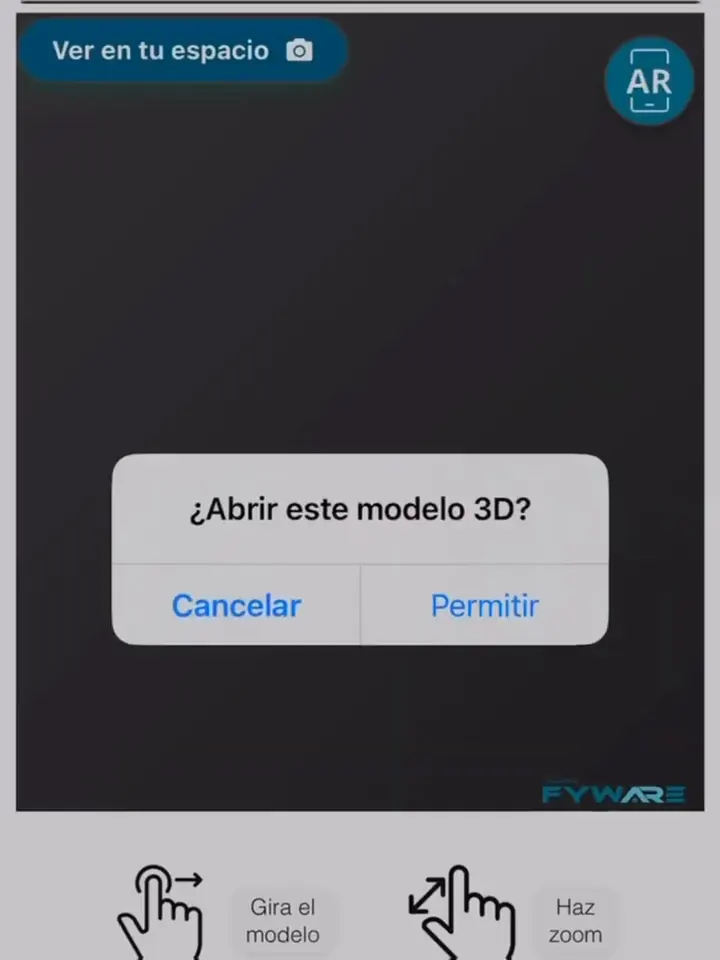
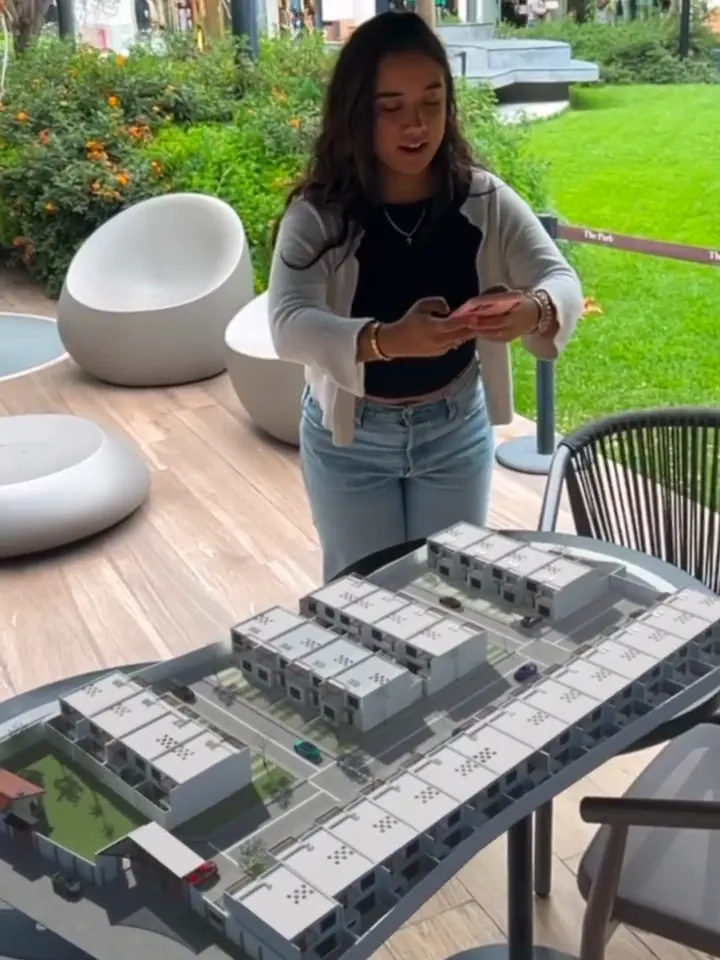
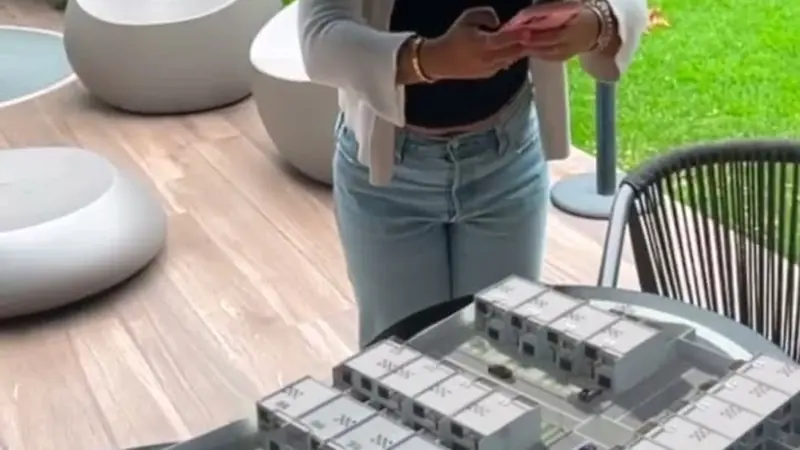
Portenta sells apartments off plan, when there is nothing built to show and no physical scale model to put in front of a buyer. We built an augmented reality scale model of the masterplan: the buyer opens it from a link in their phone browser, with no app to install, and places it on their own table or at full size on the ground.
- Industry
- Real estate
- Use case
- Off-plan apartment sales
- Technology
- WebAR in the phone browser
Try it here
The tour, running on this page
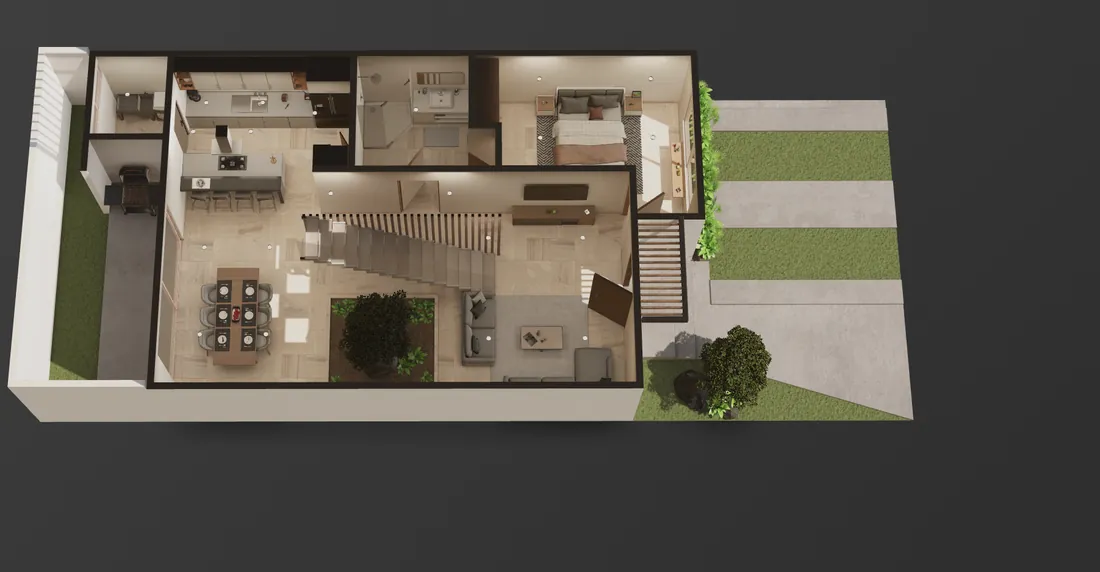
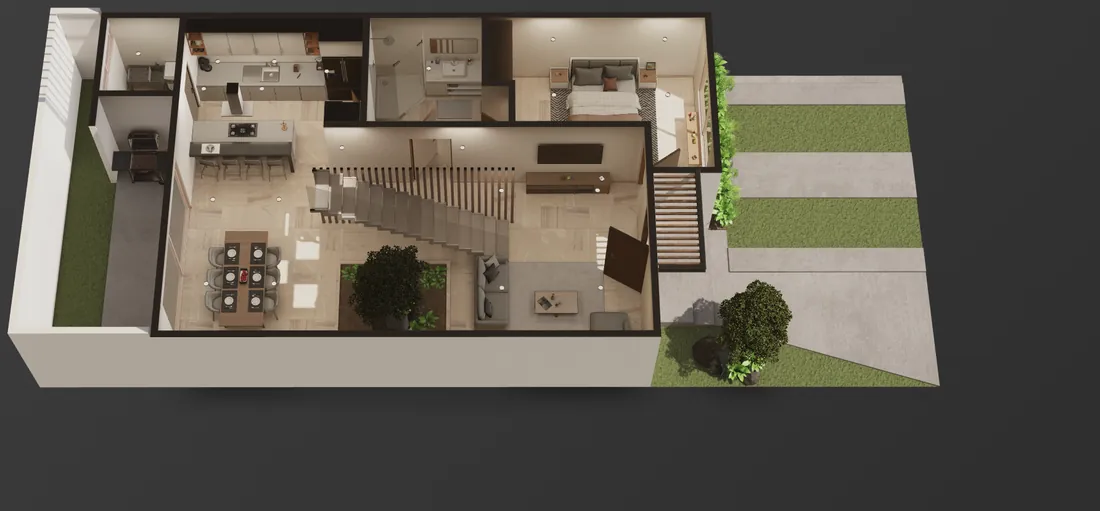
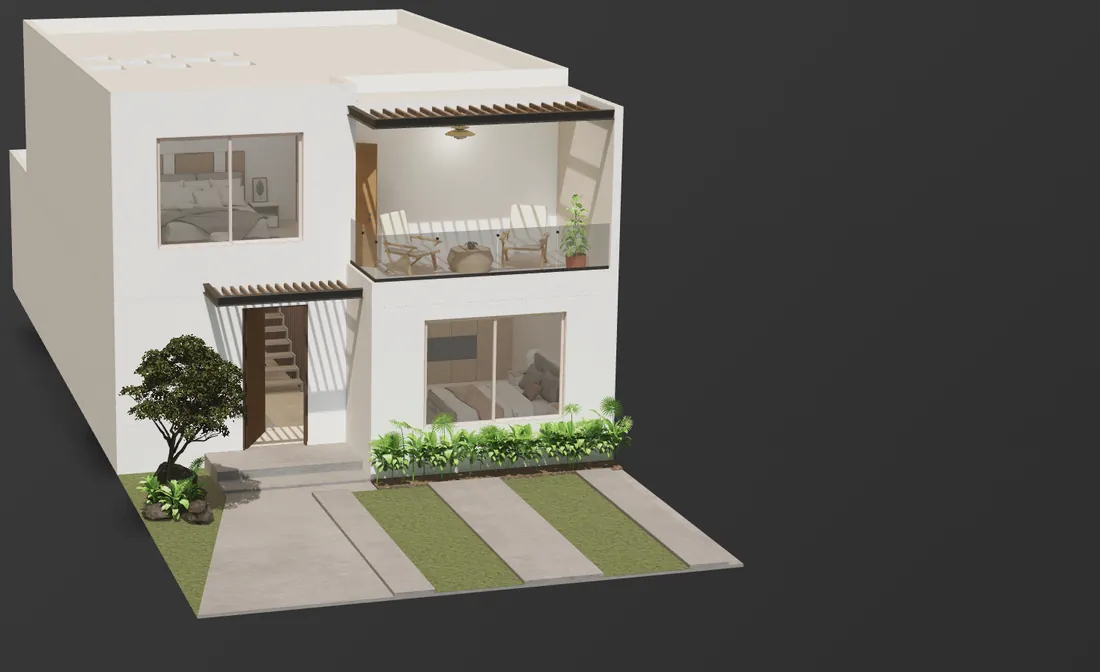
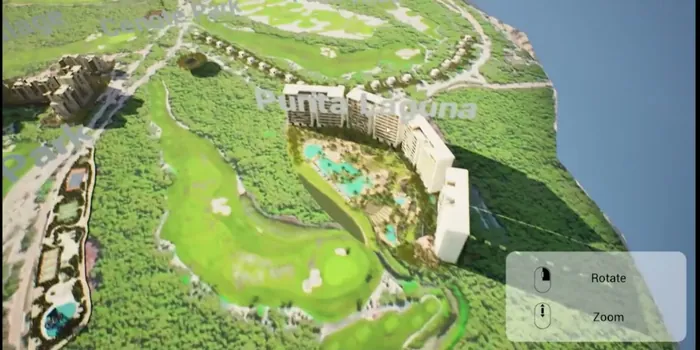
This is the same link Portenta sends a prospect over WhatsApp. Rotate the masterplan, zoom in and step into the unit types.
The full masterplan
One of the unit types, inside
To place them in your own space with the camera, open them on a phone in their own tab.
How it started
Selling something that does not exist yet
The challenge
Selling off plan, there is nothing built to show. No show unit, no scale model, often not even a construction site. The agent has to support a decision worth millions with material the buyer still has to imagine.
What Portenta brought
The commercial judgement and the project. They knew exactly where in the conversation the sale slips: when the prospect asks for information and the answer is photos of a different, roughly similar development. And they chose to repeat the tool a year later, on a second project.
What we built
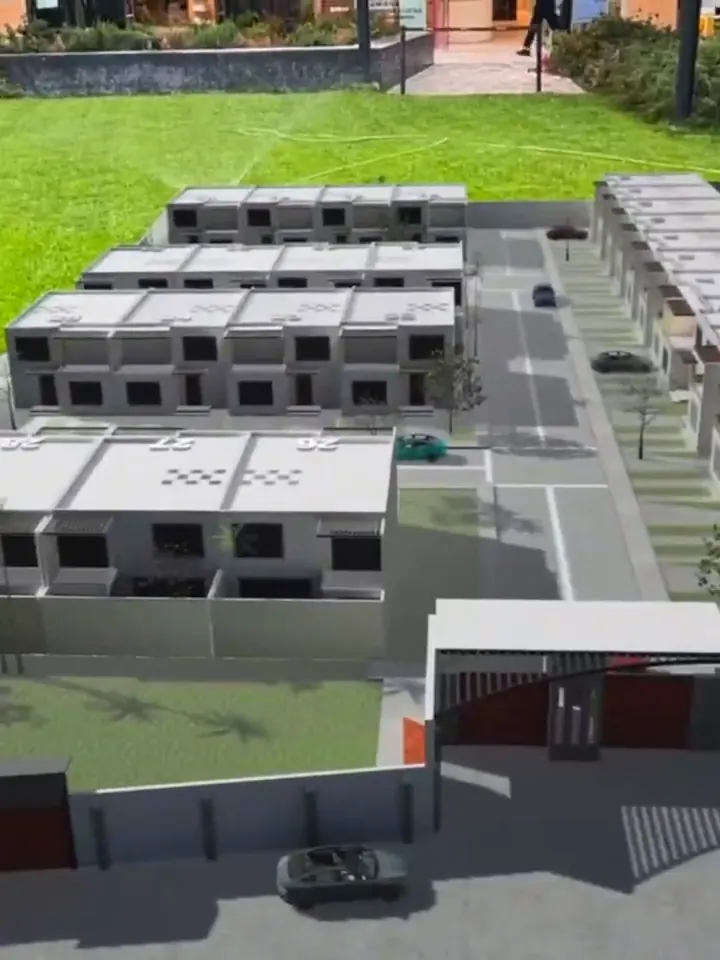
Three augmented reality tours running in the browser: the Jazmín unit type, the La Torre unit type and the full masterplan map. All of them open from a link, with no app, and can be placed in the buyer's real space.
The problem with “it will look like this one”
Before this, all they had were renders and photos of earlier developments with a roughly similar layout. Portenta tells it with an example of their own: one development had a 125 square meter unit type, and when they started selling the next one, similar in layout but 132 square meters, the conversation turned into “look, here are the photos of this apartment, yours will look like this one, only with different square meters”.
That sentence is the exact point where the agent loses the sale. The buyer sets the product aside and does arithmetic in their head against somebody else's floor area. And selling off plan, that was the only tool available.
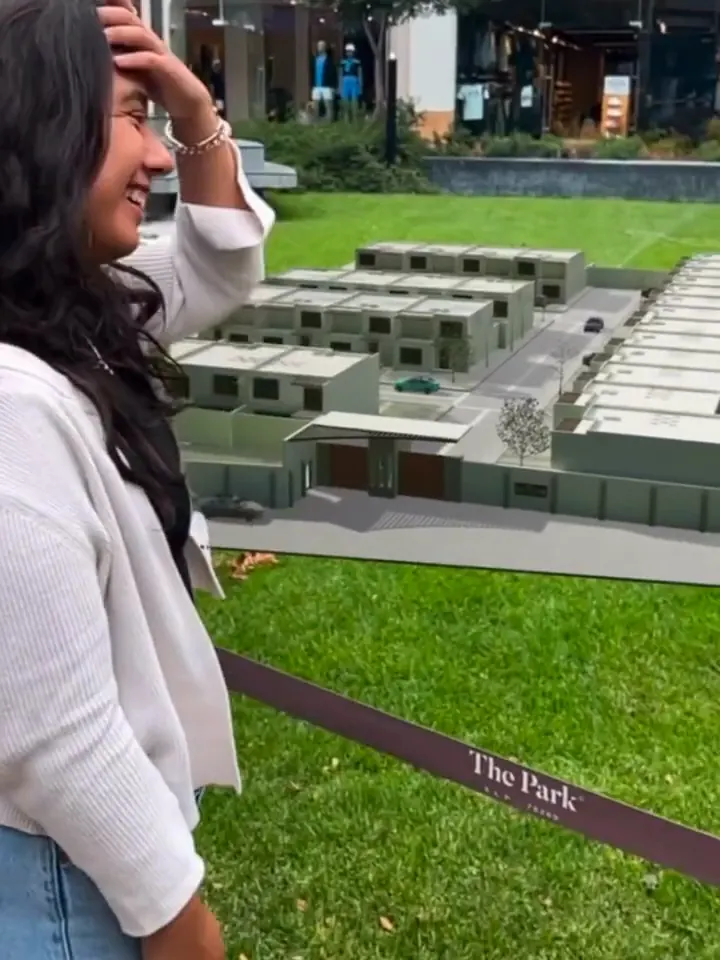
The AR scale model changes the verb: the buyer stops imagining and starts seeing. They place the development on their table, rotate it, zoom in, stand up and walk around it. At full size they can walk between the houses, see the real width of the street and where their lot sits relative to the entrance.
What it looks like in the hand
Where the link lives
The short answer is WhatsApp. Portenta shares it mostly once somebody has already asked for information, whether they arrived through a campaign or a referral, and it also sits on the project page. That page averages 200 visits a month.
And there is the advantage the sales team notices first, which is a practical one: the link lives online and there is nothing to carry. The agent brings no model, installs nothing on the buyer's phone and does not depend on anyone downloading something before the meeting. The link sits in a message and everything moves from there.
It is also the only thing the prospect can open alone at eleven at night, which is when they are actually deciding.
Project details
- Client
- Portenta
- Deliverables
- Three WebAR tours: Jazmín, La Torre and the masterplan map
- Stages
- Two, a year apart
- Platform
- WebAR in the phone browser, no app
- Distribution
- A link, over WhatsApp and from the project page
- Reported use
- 200 visits a month to the page hosting the tour
“For off-plan projects, where you have no built show unit, no scale model and no other tool, being able to tell the client ‘not sure how it will look? Go in here’ turns out to be very practical.”

What makes it work
Four decisions you can repeat
- It runs in the phone's browser: if something has to be installed, half of them never open it.
- It is a link, so it travels wherever the sales conversation already travels.
- It can be placed at two scales: table size to take in the layout, full size to walk through it.
- It shipped in stages, one project at a time, instead of a whole platform at once.
The project, the commercial judgement and the decision to repeat it are Portenta's. We built the tool. And one thing they pointed out themselves and that is worth repeating: this does not replace renders and it is not cheaper than a render, because renders are cheap now. What it adds is scale and movement.
Frequently asked questions
Who builds virtual tours to sell apartments before they are built?
Architectural visualisation studios, virtual and augmented reality companies and some proptech firms. The practical difference between them is the format and how easily it reaches the buyer. A render is a still image, a 360 tour is navigable in the browser, and an augmented reality scale model is the one the buyer places on their own table and walks around. We are Fyware and we build all three; this case is the third, built for Portenta and opened from a link with nothing to install. If you are comparing vendors, the useful question is how it reaches your buyer: if an app has to be installed, half of them never open it.
I have no show unit and no physical scale model, how do I show the project?
That is exactly the gap this fills. In presales there is nothing built to show, and what got used before were renders or photos of an earlier development with a similar layout, which forces the agent to say “it will look like this one, only with different square meters”. With an augmented reality scale model the buyer places the development on their own table, rotates it, zooms in and walks around it at scale. They stop imagining it and start seeing it.
Does the buyer have to install an app?
No. It is WebAR: it opens in the phone browser from a link, and that link can be pasted into a WhatsApp message, an email or the project page on the website. That is the difference from an app: the agent carries nothing, installs nothing and does not depend on the buyer downloading something before the meeting.
Does this replace renders?
No, and it is worth saying plainly because the client made the point himself: a render is cheap these days, so comparing them on cost does not mean much. Renders still do their job for the campaign and the first impression. What the AR scale model adds is something else: scale, movement and context. An image shows you an angle somebody else chose; the model lets the buyer choose their own.
Where is it used, in the sales office or over WhatsApp?
Both, and here the second matters more. Portenta shares it mostly once somebody has already asked for information over WhatsApp, and it also sits on the project page. In a sales office it works as a scale model that takes up no floor space; at a distance it works as the one thing the prospect can open at eleven at night, which is when they are deciding.
 Tom Klukowski
Fyware Partner · Valcre Marketing
Want a result like this in your operation?
Fyware has delivered 750+ XR projects for clients like Gerdau Corsa, Cummins and Medverse, from Mexico in US Central Time. Tell us your case and we will tell you what is feasible, how long it takes and what it costs.
Same approach, your project: we turn your masterplan or your unit type into a model the prospect opens from a link and places on their table.
See real estate solutions 360 tour for off-plan sales
 Interactive architectural visualization
 Real EstateThe full line