

VR anti-theft protocol simulator
Nobody learns to react by reading a card. Here they practice it first.
Instinto Biker hands every customer a protocol for the moment of a robbery. The trouble with a protocol is that it gets read once and put away. This one gets executed, on a street, with the hold-up happening.
- Industry
- Security for motorcycle riders
- Use case
- Customer training on the anti-theft protocol
- Technology
- Standalone headset, no PC
Instinto Biker, a motorcycle security company in Mexico City, gives its customers a protocol for what to do during a robbery. Fyware built them a virtual reality simulator where that protocol is practiced in first person, on a recognizable Mexican street, with the hold-up happening.
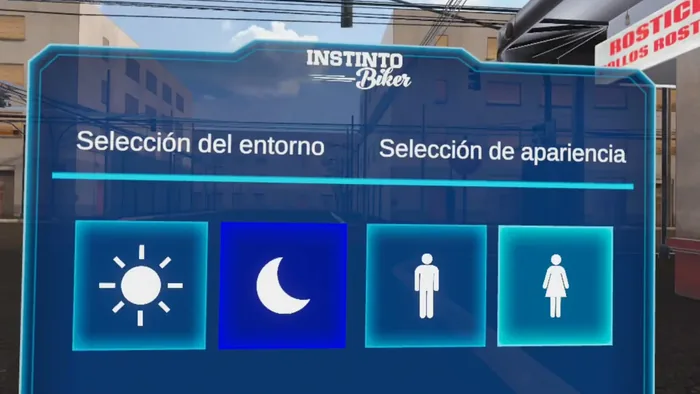
It went live in 2025 and has been running since: four modules and 300 people a month go through it. The user picks whether to practice in daylight or at night and with which appearance; a virtual assistant walks them through what to do, an operator answers the report call, and the run closes with the motorcycle recovered.
What was built is immersive protocol training: a drill the person runs with their body and walks out of knowing what to do.
How it was decided
A protocol nobody practices is not a protocol
The problem
The customer gets a card with the steps and puts it away. On the day of the robbery there is adrenaline, a stranger involved and seconds to decide, and nobody consults a card in that moment: you do what you already know, or you improvise.
The call, which is theirs
Instinto Biker decided the protocol should be taught by living it, and that it should be part of what they hand the customer. That is a service decision: nobody else in their category gives a rider that.
What we built
The headset simulator: the four modules, the street in its daylight and night versions, the assistant who guides, the operator who answers and the close with the bike recovered.
Where it is used
The headset lives at the branch every day, next to the motorcycles, and customers put it on when they come in to sign up or for service.
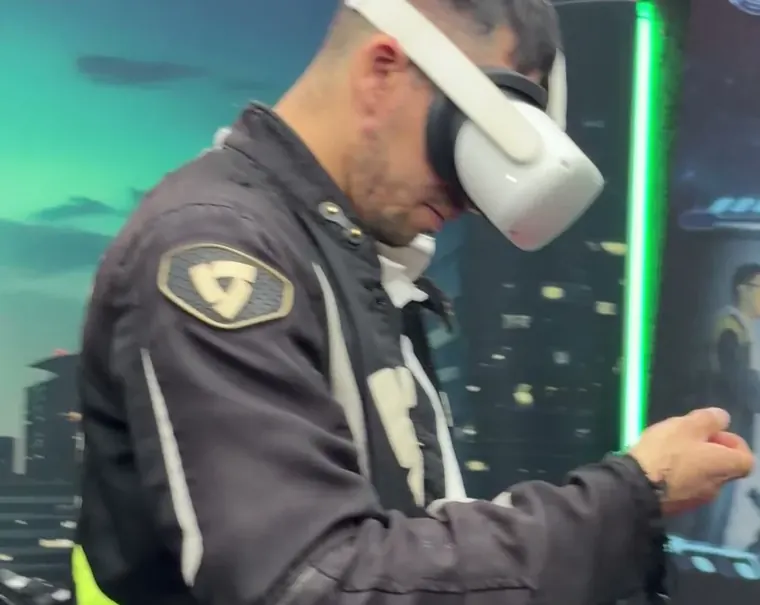
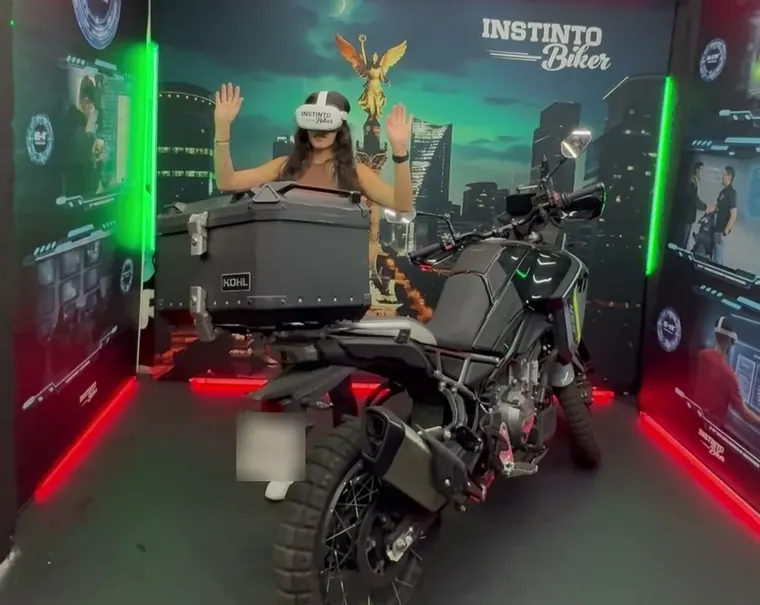
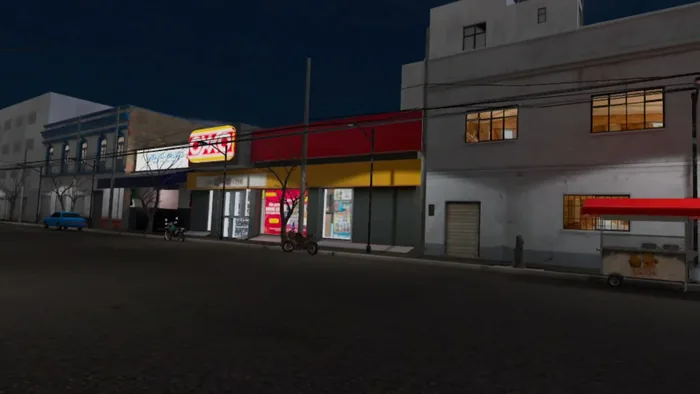
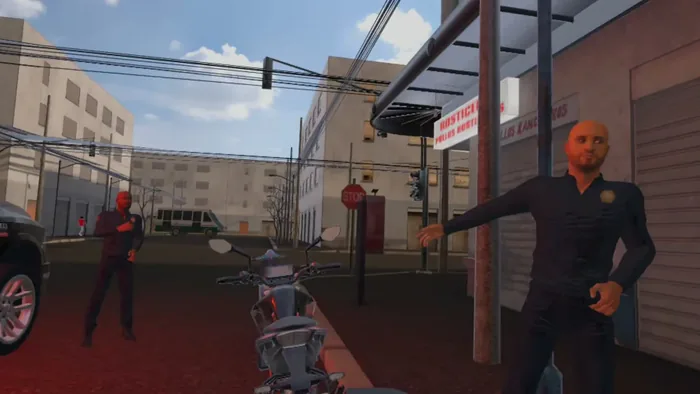
Frames from Instinto Biker's own launch video.
What the user sees
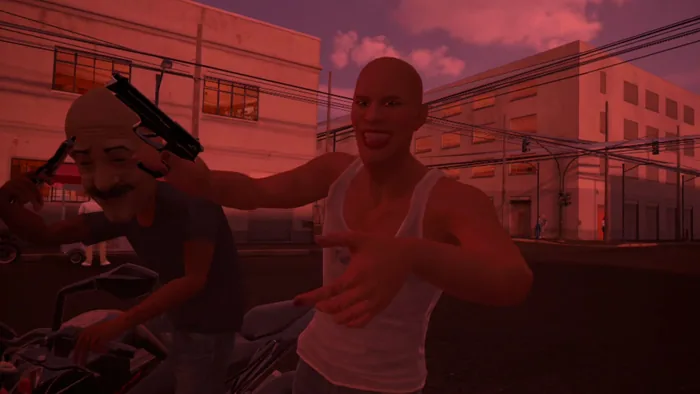
The hold-up happens half a meter away. Before going in the user picks environment and appearance, the street is the one they know, and the run ends with the bike recovered.
“They have worked with us on a virtual reality project, the development of our mobile app and a custom CRM.”
Translated from the original review, published in Spanish on Google.
“We’ve never felt like they’re trying to sell us more work than we need.”
Project sheet
- Client
- Instinto Biker SA de CV, Mexico City
- Sector
- Security and tracking for motorcycle riders
- Scope
- Virtual reality simulator with four protocol modules
- Platform
- Standalone headset, no PC and nothing to install on site
- Scenario
- Mexican urban street, in daylight and night versions
- Use
- Training for the company's own customers, at its branches
- Delivered
- 2025, in continuous operation since
What makes it work
Four decisions worth repeating
- The scenario is a recognizable street, which is why the person knows where they are.
- An assistant guides in the moment, so what gets trained is the procedure.
- The run closes on the recovery, because a drill that ends in loss only leaves fear.
- It can be practiced in daylight and at night, which is when it actually happens.
The protocol, the relationship with the authorities and the branch network belong to Instinto Biker, and they are the service. We built the simulator they teach it with.
Is it worth training in virtual reality for something you hope never happens?
That is exactly where it pays off most. A procedure used every day is learned on its own, through the repetition of the work. One used once in a lifetime, under stress and with no time to think, has nowhere to be practiced: you cannot stage a real hold-up, and reading the card once at signup does nothing.
Virtual reality fills precisely that gap. The person goes through the whole situation with the adrenaline low and with someone telling them what to do, and the body keeps a sequence. What you practice is remembered differently from what you read, and that difference is what makes VR worth it.
And there is a second, commercial effect. A customer who put on a headset at the branch walks out telling people. For Instinto Biker that is service and marketing at the same time, and it is what no other tracking company hands a rider.
Frequently asked questions
I hand my customer a card with the protocol and I know they never read it. What now?
Have them practice it. This simulator puts the person on the street with the hold-up happening and asks them to run the steps: do not confront, do not comment, call the number on the card and give the bike's details. What you do with your body is remembered differently from what you read, and the customer walks out telling people they lived it.
Can you train a violent situation without the experience being traumatic?
Yes, and it comes down to design. In this simulator a virtual assistant walks the user through what to do at each moment, the user picks whether to practice it in daylight or at night, and the run ends with the motorcycle recovered. The point is for the person to leave knowing what to do.
Is this training or is it marketing?
Both, and that is why it works. For the Instinto Biker customer it is training on a protocol they may genuinely need. For Instinto Biker it is something no other tracking company hands its customers, which is why they tell other people about it. An experience that teaches something useful is remembered longer than a booth handing out flyers.
 Tom Klukowski
Fyware Partner · Valcre Marketing
Want a result like this in your operation?
Fyware has delivered 750+ XR projects for clients like Gerdau Corsa, Cummins and Medverse, from Mexico in US Central Time. Tell us your case and we will tell you what is feasible, how long it takes and what it costs.
We build the simulator where they practice it, with your scenario and your procedure.
See immersive marketing Their own tracking platform
 Crane operation simulation
 Immersive MarketingThe full line